
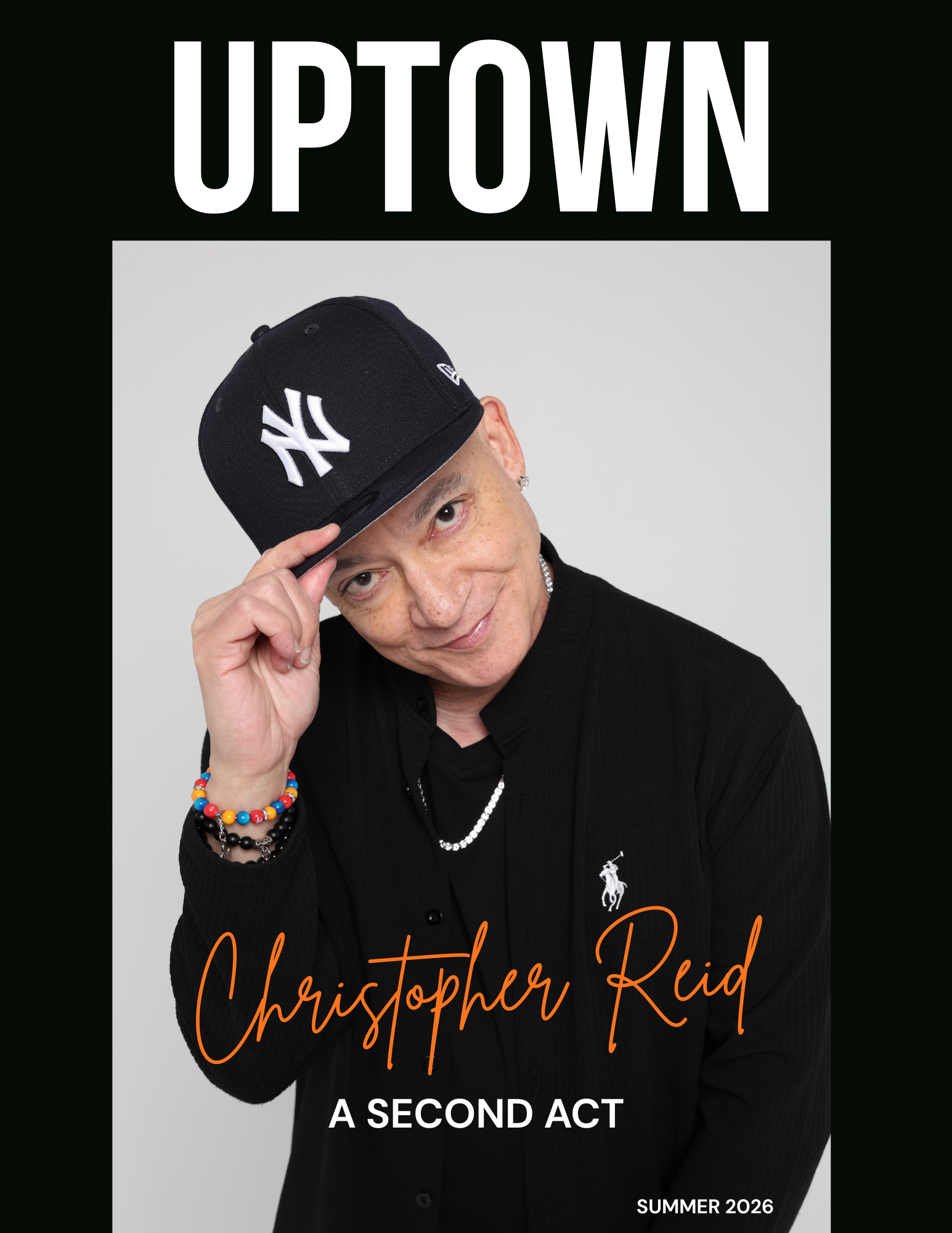
Cover Design: Annika Harris
For generations of hip-hop fans, Christopher “Kid” Reid has been synonymous with high-energy performances, infectious positivity, and one of the most recognizable haircuts in pop culture history. As one-half of the groundbreaking rap duo Kid ’n Play, Reid helped define a vibrant era of late-1980s and early-1990s Black entertainment, blending music, comedy, dance, and film into a cultural phenomenon that still resonates today.
Now, the entertainer is inspiring fans in a very different way.
When I sat down with Reid for a one-on-one interview for UPTOWN about one of the most challenging chapters of his life, it was clear that the same optimism that helped make him a star decades ago remains intact. But these days, his perspective carries a deeper sense of gratitude.
In August 2025, Reid underwent a lifesaving heart transplant after a sudden and severe battle with congestive heart failure. What began as symptoms he initially attributed to aging and the demands of a decades-long career, ultimately became a medical emergency that threatened his life. Nearly a year later, Reid’s recovery has become a powerful story of resilience, gratitude, and the importance of prioritizing health.
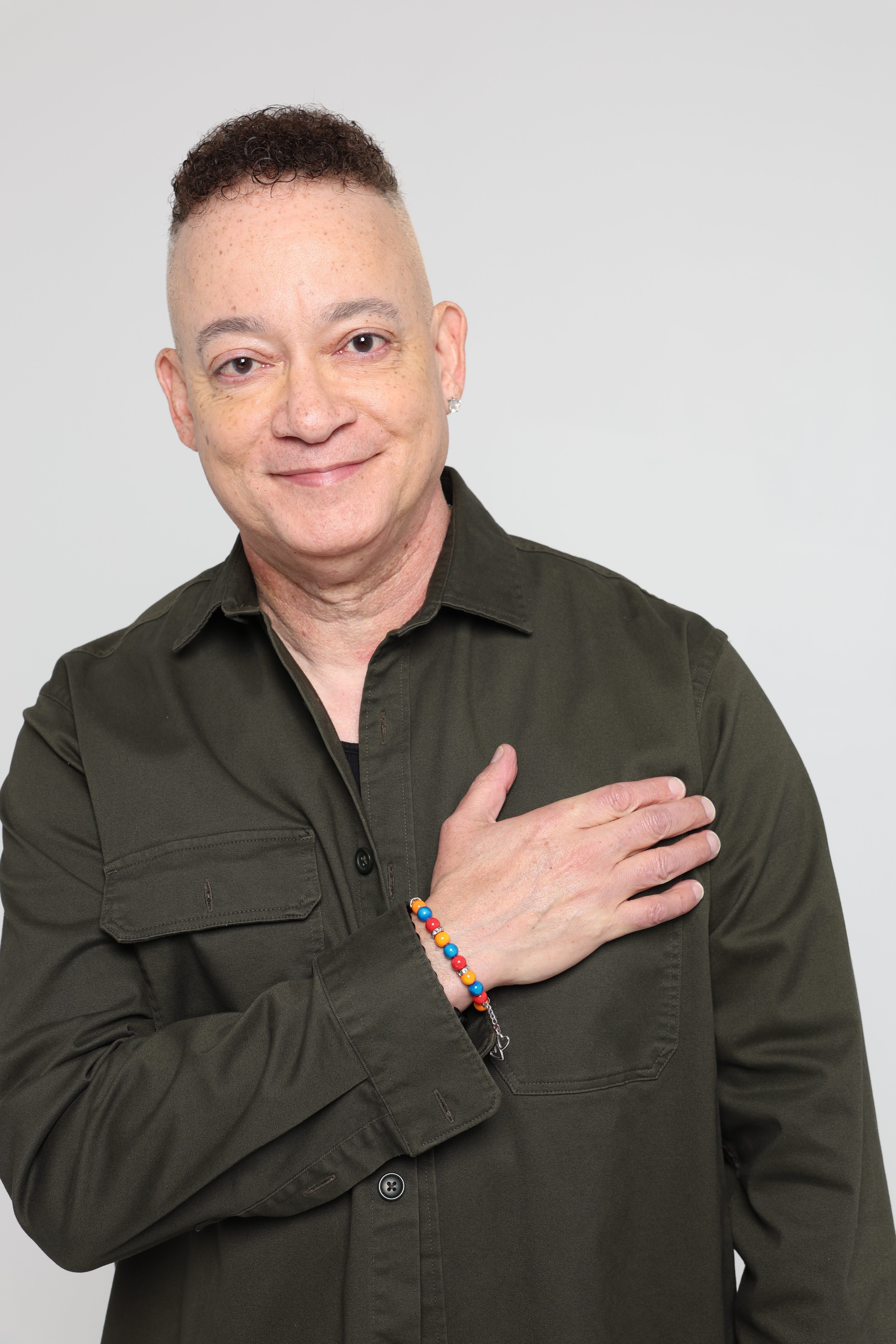
Reid’s first warning signs appeared gradually. He experienced increasing fatigue, shortness of breath, and an unusual need for sleep. Like many people, he assumed the symptoms were simply part of getting older or the result of years spent traveling and performing. When the symptoms worsened in July 2025, he sought medical attention and received a diagnosis of congestive heart failure.
Initially, doctors attempted to manage the condition with medication. But within weeks, his health deteriorated dramatically. Medical specialists at Cedars-Sinai Medical Center in Los Angeles discovered that his failing heart was beginning to affect other organs. The situation quickly escalated from serious to critical. Reid was admitted to intensive care and learned that a heart transplant presented his best chance for survival. Doctors later described his condition as a life-or-death situation.
Fortunately, a compatible donor heart became available just nine days after he was placed on the transplant list. Last August, surgeons successfully performed the transplant, giving Reid what he has repeatedly described as a second chance at life.
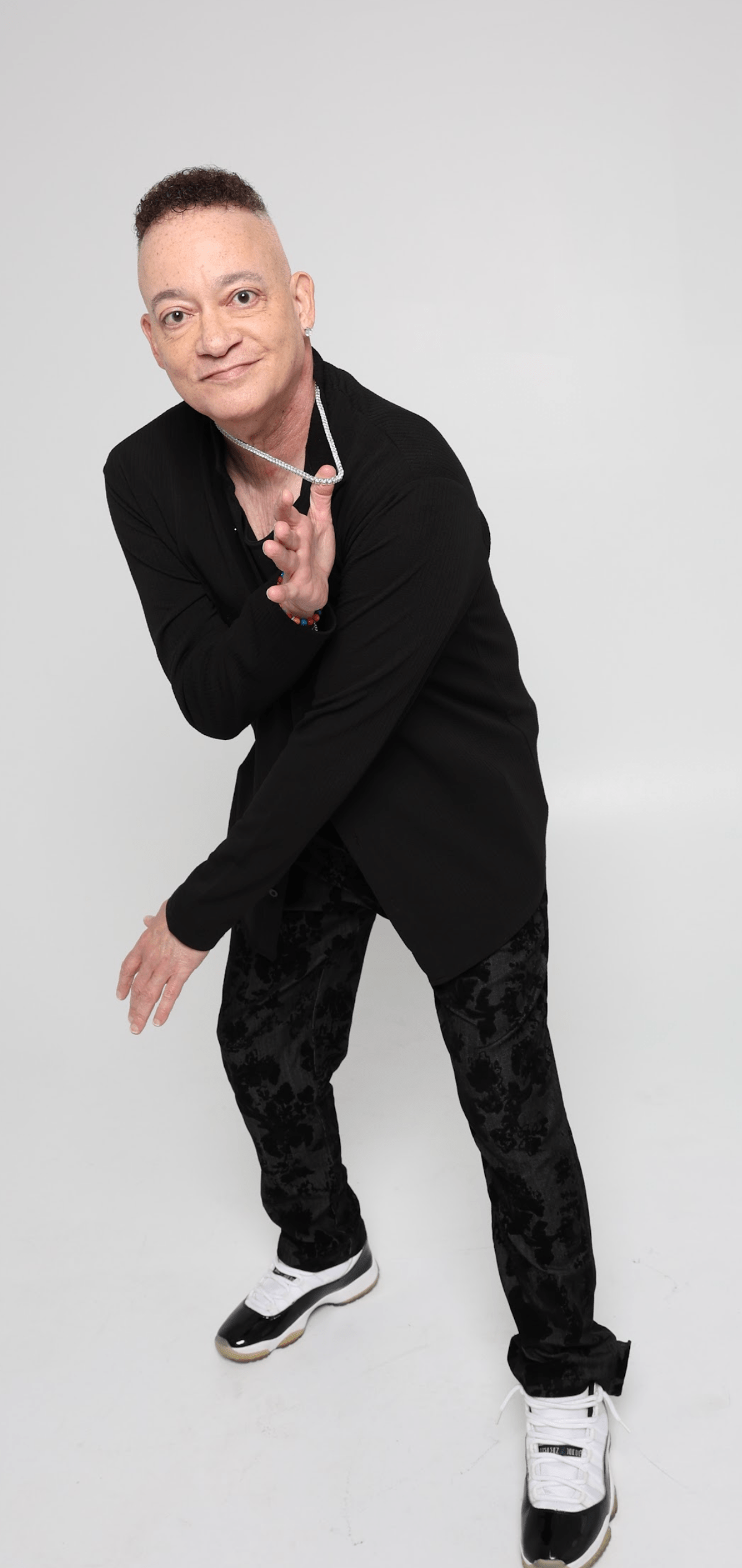
Since then, his recovery has been marked by optimism and reflection. When I asked Reid what life was like immediately after returning home from the hospital, he smiled as he reflected on just how much his world had changed.
“I think when I first got out of the hospital, I looped back into the world with a new heart,” he told me. “Everybody treats you very delicately, which I can understand.”
No one embraced that responsibility more than his girlfriend, Aida Avadisian, whom Reid credits with playing an indispensable role not only pre- and post-diagnosis, but throughout the entire transplant process and ongoing recovery.
“Especially with my girlfriend taking care of me 24/7,” he said. “She has been on it like a hornet. She continues to be very attentive. She’s the one leaning over the doctors’ shoulders and stuff like that.”
Rather than viewing her constant questions as overbearing, Reid said his medical team welcomed the involvement.
“To the doctors’ credit, they embraced that. They actually liked that,” he explained. “I think that was one of the key parts of me receiving the heart because they want to know what’s going to happen in the aftermath. By her being there 24/7, wanting to know what all the medications were and everything that needed to happen afterward, it showed them I was going to have that support.”
That level of care extended well beyond the hospital walls. Reid said the early weeks at home were carefully structured with every aspect of his recovery closely monitored.
“Everything was monitored, and the diet was very strict,” he recalled. “Since then, things have expanded, and now it’s really about adjusting to making healthier choices. It’s not like I have to deprive myself – I just can’t crash out every day.”
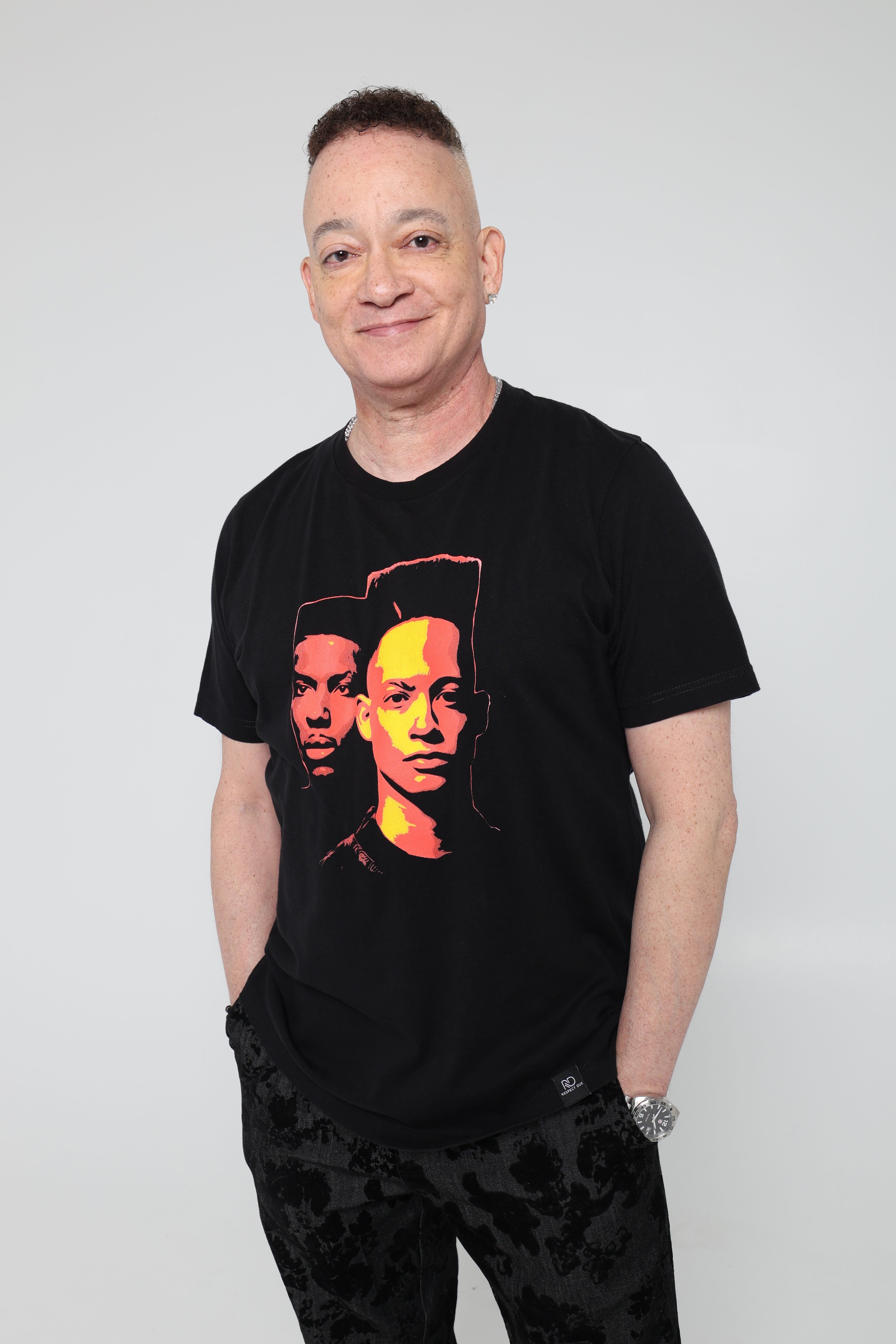
Moderation has become Reid’s central to his new outlook on life. While he’s grateful to be feeling stronger nearly a year after surgery, Reid knows that receiving a donor heart was only the beginning of a lifelong commitment.
“First and foremost, take your medication,” he emphasized. “One of the things that was revealed to Aida and I during this process, that we couldn’t believe, was that a lot of transplant recipients don’t take their meds as prescribed.”
Reid hopes others understand that following doctors’ orders isn’t optional: It’s essential to survival.
“When I started, I was taking maybe 20 pills in the morning and 20 at night,” he said. “Now, nine months later, I’m taking maybe 15 in the morning and 11 or 12 at night. That’s it. Twelve hours apart. That’s all you’ve got to do. These are lifesaving things. These are anti-rejection medications.”
His experience has also given him a new appreciation for the extraordinary gift that made his recovery possible – organ donation.
“There’s a dire need for organ donors in this country,” Reid told me, his tone turning serious. “There’s 100,000 people waiting on a waiting list for a transplant — and a lot of them aren’t going to get one in time. Facts.”
He described feeling renewed and determined to honor the gift he received by embracing life more fully. He has frequently spoken about wanting to become “a better version” of himself while maintaining the spirit that fans have known for decades.
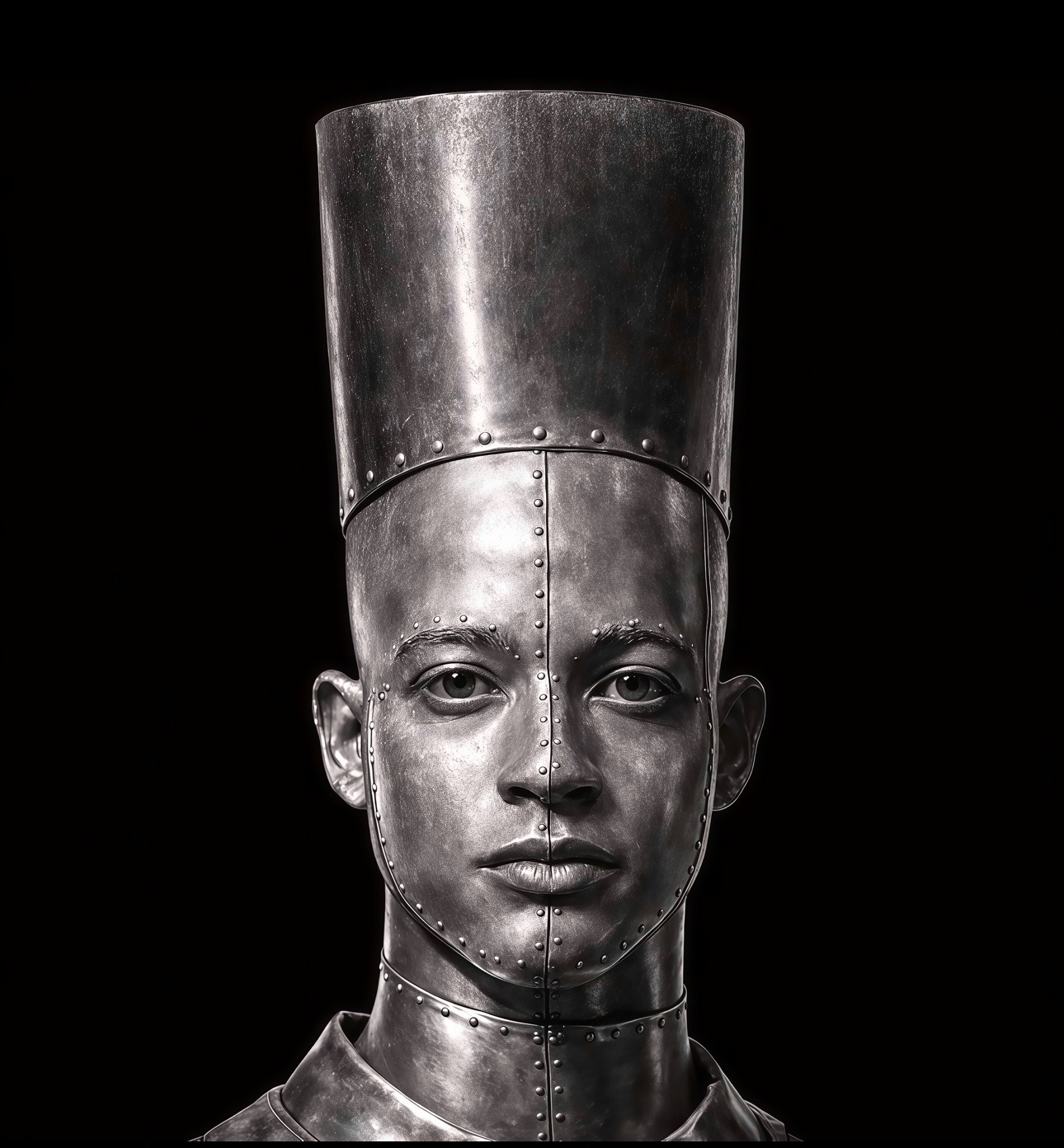
Reid is also channeling his renewed outlook into new music. His latest single, “Tin Man,” now streaming on all major digital platforms, serves as both a creative milestone and a reflection of his personal evolution. The song’s themes of resilience, vulnerability, and perseverance resonate even more deeply in light of everything he has endured. For longtime fans, “Tin Man” offers more than just another release, it’s the sound of an artist who has weathered one of life’s greatest storms and emerged with a renewed appreciation for every note, every lyric, and every opportunity to create.
The transplant has also transformed Reid into an advocate for health awareness, particularly within Black communities. He expressed his concerns that many people ignore symptoms or avoid routine medical care because they are busy, afraid of bad news, or convinced that problems will resolve on their own. His own experience, he says, demonstrates why paying attention to warning signs early can be lifesaving.
Fans have responded with an outpouring of support. Across social media and online communities, many expressed shock that the beloved entertainer had been quietly battling such a serious health condition, while others praised him for sharing his story and encouraging preventive care.
Today, Reid appears focused on both recovery and the future. Rather than slowing down completely, he seems determined to channel his renewed energy into meaningful work while maintaining a stronger commitment to his health.
For many fans, Christopher “Kid” Reid will always be remembered as the charismatic performer with the towering high-top fade and the unforgettable dance moves. But his latest chapter may prove to be his most impactful yet. His story is no longer just about music, movies, or nostalgia. It is about survival, gratitude, and the reminder that even cultural icons are, at the end of the day, human.