

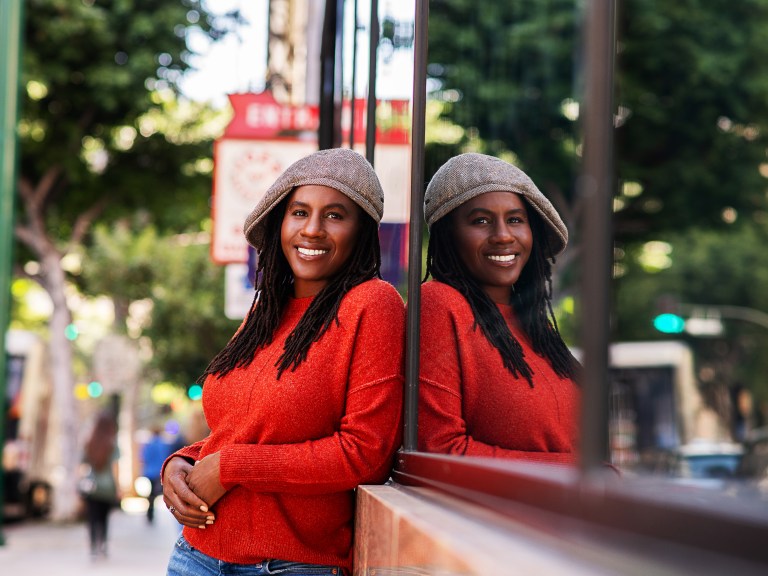
There are moments when Hollywood history announces itself loudly with a standing ovation or a raised trophy. And then there are times when Hollywood history arrives more quietly, as a byproduct of simply doing the hard work. It’s the latter for Emmy-nominated director Hanelle M. Culpepper, whose commitment to the craft of filmmaking has been paramount to the pursuit of accolades, despite her filmography, rightfully, receiving the attention of the industry.
In 2020, Culpepper became the first woman to launch a new Star Trek series when she directed the pilot of Star Trek: Picard. She later became the first television director to work across both the Star Trek and Star Wars episodic universes, directing Picard, Star Trek: Discovery, and Star Wars: The Acolyte.
Now, Culpepper has earned another extraordinary honor.
The Television Academy has nominated Culpepper for the 2026 Emmy Award for Outstanding Directing for a Drama Series for the second-season finale of Hulu’s Paradise, titled “Exodus.” The episode focuses on the unlikely alliance of Xavier Collins (Sterling K. Brown) and Sinatra (Julianne Nicholson) as they desperately try to rescue their daughters during a full evacuation of the bunker.
Culpepper is the second Black woman nominated in the drama directing category, following Salli Richardson-Whitfield’s historic 2024 nomination. This year is particularly significant because both Richardson-Whitfield and Culpepper are nominated in the category, with Richardson-Whitfield receiving two nominations—for The Gilded Age and Task. A victory for Culpepper would make her the first Black woman to win Outstanding Directing for a Drama Series.
However, Culpepper doesn’t begin with history when she talks about the Primetime Emmy Award nomination. She begins with craft.
“For me, personally, professionally, it’s just truly an honor,” Culpepper says to UPTOWN. “As a director, you know, I’m always striving to put out my very good work. And so to have your peers recognize it as being outstanding work, that’s just so very gratifying.”
That humility is characteristic of a director whose career has repeatedly placed her in historic positions without her necessarily setting out to make history.
“When I got Star Trek: Picard, I didn’t even realize that I was the ‘first anything,’” Culpepper explains. “Sometimes you’re blazing a trail and you don’t even realize that. You’re just out there doing the best work (you) can.”
The Trailblazer Who Wasn’t Trying to Be One
Culpepper’s résumé reads like a tour through some of TV’s most ambitious worlds. Beyond Star Trek and Star Wars, her credits include Westworld, The Last Days of Ptolemy Grey, True Story, Kung Fu, Criminal Minds, Gotham, The Flash, and NOS4A2. Yet, she says, her career has been guided less by a desire to break records than by curiosity.
“I just loved both of those universes,” she says of Star Trek and Star Wars. “I jumped at the chance to work in both of those universes, and live in those worlds, and add to those worlds.”
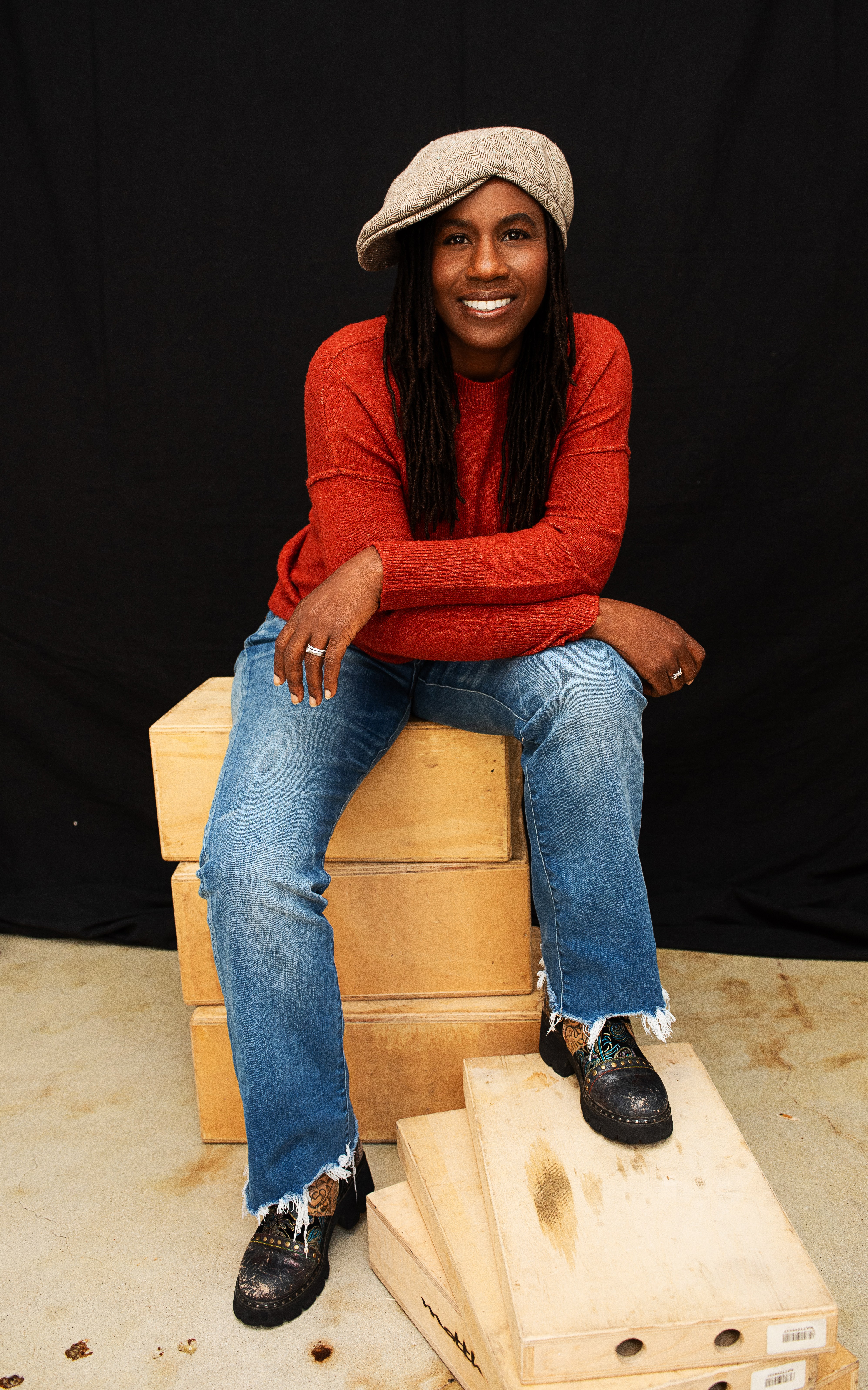
That instinct has served her particularly well on Paradise, where she has become one of the series’ defining visual storytellers.
Culpepper directed the first season’s sixth episode and returned to direct the season-two finale, “Exodus.” She is now directing three episodes for the upcoming third season, including the opening block, bringing her total to seven episodes, the most of any director on the series.
Series star Sterling K. Brown was instrumental in bringing Culpepper into the Paradise universe.
Brown, whose portrayal of Xavier Collins has earned him a nomination for the 2026 Emmy Award for Outstanding Lead Actor, was already a fan of Culpepper’s work on Star Trek: Picard. He advocated for her to meet creator Dan Fogelman and the producers when they were assembling Paradise.
“He is the one who really advocated for me,” Culpepper says. “I really do give him gratitude for advocating for me, getting me into this family.”
For Culpepper, that kind of advocacy represents something larger than one job.
“When you have someone in that sort of space that already has a mindset of, like, ‘You know what? I want to help others and give back,’” she says, “that’s just amazing.”
Building a World, One Frame at a Time
If Paradise has become a showcase for Culpepper’s talents, “Exodus” is perhaps the clearest demonstration of what she does best – scale and intimacy existing simultaneously with spectacle and emotion within the same frame.
The finale episode expands the physical world beneath Paradise, moving audiences through underground environments, bunker escapes, reactor sequences, and increasingly massive action set pieces. But for Culpepper, the challenge wasn’t simply making the world look bigger. It was making it feel real.
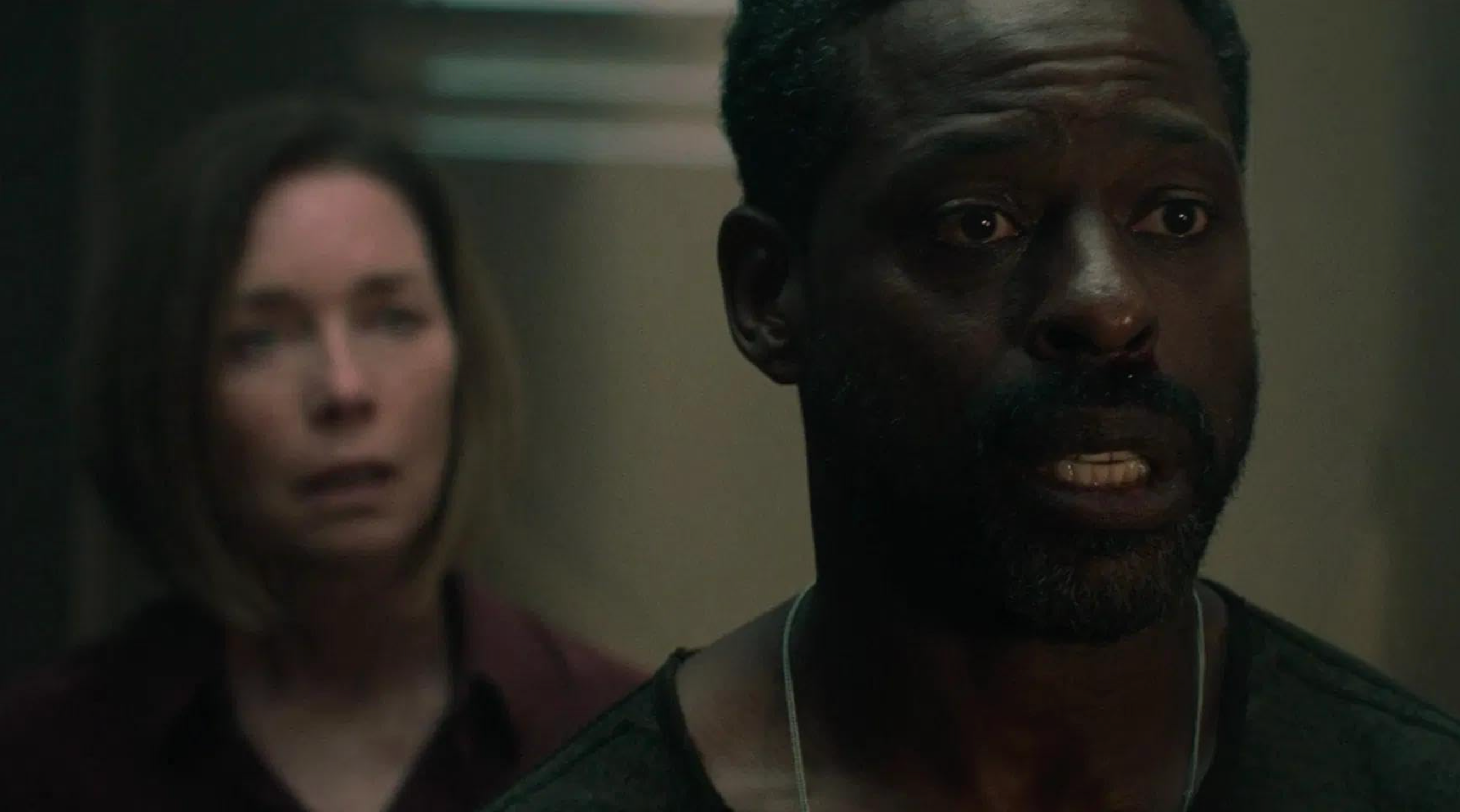
“These two episodes really tapped something that I feel is one of my strengths as a director, which is world building without sacrificing the emotional storyline,” she says regarding “Exodus” and “The Final Countdown,” the season 2 penultimate episode. “There was a ton of all of that in this block—world building, suspense, action—but there were some really, really touching and emotional moments in the script.”
That balance required painstaking preparation.
Culpepper and her first assistant director, Lisa Zuchschwerdt, worked closely with a storyboard artist to map out complicated sequences before bringing the broader production team into the process. Those storyboards became a blueprint for conversations with production designer Kevin Bird, stunt coordinator Tim Davison, special effects department head Blair Foord, and visual effects supervisor Johnny Weckworth, among others.
One of the most complicated examples was the elevator sequence. What might look like a single continuous piece of action to viewers actually required four different versions of the set and about five days to shoot. The team had to determine which shots would be filmed practically, which would combine practical and visual effects, and which would be created almost entirely through visual effects.
“We were able to then literally take each frame and say, ‘OK, this will be on that set. This will be on that set,’” Culpepper explains.
That level of preparation is invisible to the audience, and that’s exactly the point. Culpepper’s goal is viewers to experiencing the scene emotionally rather than intellectually calculating how it was constructed.
Culpepper is also quick to emphasize that the finished product belongs to far more people than the person whose name appears beside “Directed by.” Visual effects supervisor Johnny Weckworth is also nominated for an Emmy for the episode, underscoring the collaborative nature of their achievements.
Culpepper says she wants to shine a brighter light on those often-unsung departments, potentially taking audiences behind the scenes to demonstrate how production design, visual effects, special effects, stunts, cinematography, and other departments collectively create what ultimately appears on screen.
Making Spectacle Mean Something
Perhaps the greatest strength of Culpepper’s Paradise work is that the spectacle never becomes the story.
The underground world had to be mapped carefully so that characters’ movements made geographic sense. Locations had to pull double duty. Set dressing needed to transform quickly and repeatedly. Production schedules had to account for the enormous amount of time required to execute major action sequences.
But Culpepper was equally concerned with something that can’t be measured in construction days or camera setups: Emotion. Among the finale’s most memorable moments are Sinatra’s experiences with real sunlight and her emotional reaction to seeing Alex. For Culpepper, those scenes deserved the same level of planning as the show’s biggest action sequences.
“I love those scenes,” she says. “I love to have the time to let the actors just be.”
That meant protecting those moments in the production schedule rather than allowing them to become casualties of the day’s larger set pieces.
“If I know that I have this emotional moment, I want to make sure I have enough time for that,” she says. “I may ask, ‘Can we push a scene to another day?’ Or I may ask, ‘Let’s start with this emotional scene,’ so that it doesn’t happen at the end of the day.”
It’s a deceptively simple philosophy: Give the emotion time. This commitment also speaks to Culpepper’s larger approach to directing. Technology, spectacle, and scale are tools. They aren’t substitutes for character.
The Lesson Behind the Nomination
Culpepper’s Emmy nomination carries historic weight, but she hopes the broader impact will be even more meaningful.
“I want to come in as a director, prepared to really, hopefully, elevate the story and take the audience with a memorable experience,” she says.
She is also acutely conscious of what her success could mean for the filmmakers who follow her. “I don’t want to be the excuse for anyone coming after me to not get an opportunity.”
That statement may be the most revealing part of Culpepper’s journey. She understands that representation isn’t simply about being the person who gets through the door; it’s about making sure the door remains open.
That is particularly meaningful in a year when she and Richardson-Whitfield are standing together in an Emmy category that, until Richardson-Whitfield’s breakthrough nomination two years ago, had never recognized a Black woman.
Culpepper isn’t interested in lowering the bar or asking for special treatment. “We’re showing up,” she says. “We can do just as high quality as all the other directors.”
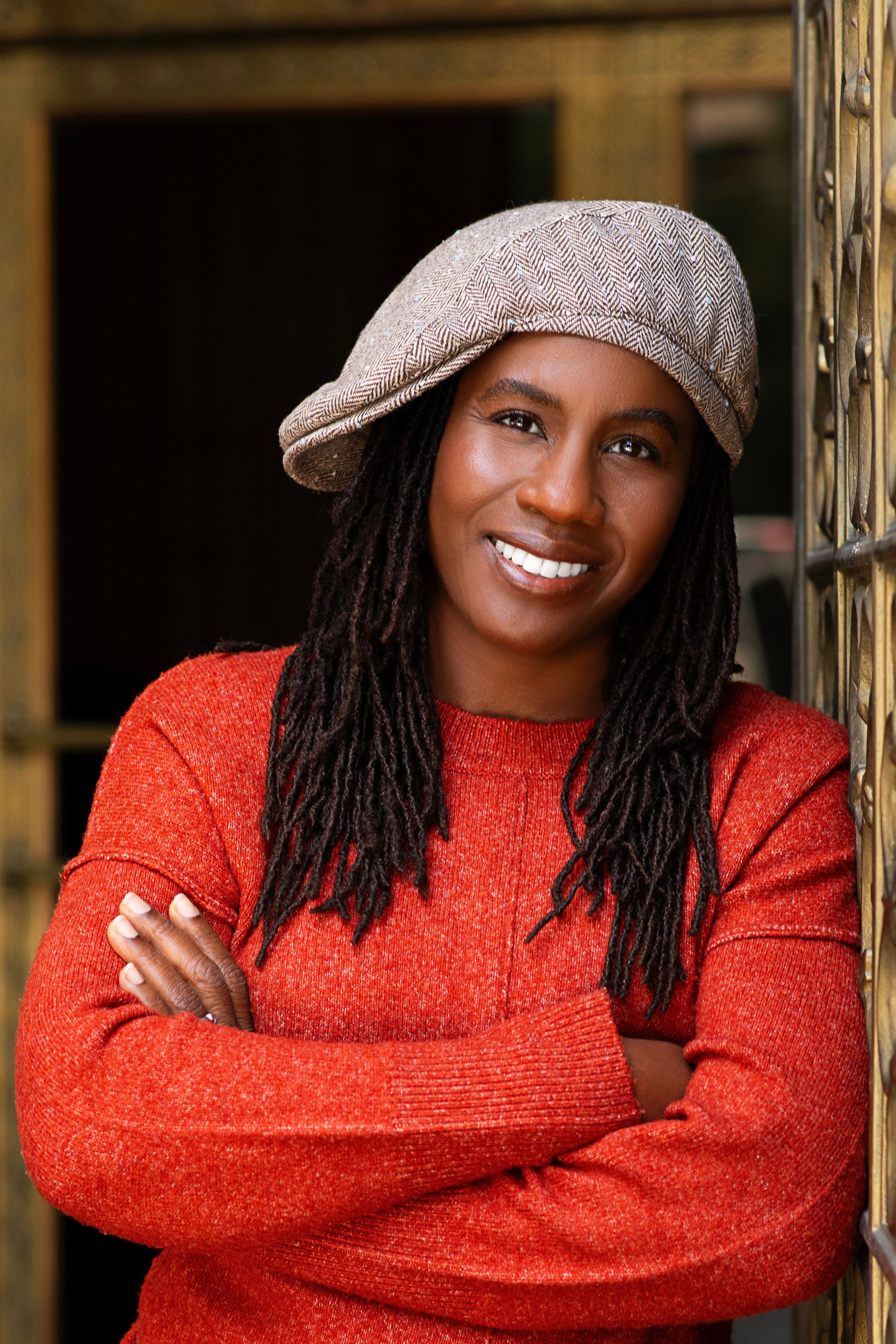
What She Would Tell Her 15-Year-Old Self
Perhaps the most moving insight into Culpepper’s career comes when she looks backward rather than forward.
At 15, she wanted to be an actor. She was auditioning, not getting roles, and becoming increasingly frustrated. During her senior year of high school, she enrolled in a directing elective partly because it guaranteed her an acting opportunity because every student in the class had to perform in someone else’s project.
But, she realized something much more important.
“I really discovered my love of directing,” she says. “That’s where I wanted to be.”
Culpepper learned she loved working with actors, finding material, and staging scenes, but didn’t particularly enjoy being the person in front of the camera.
“My gig was directing,” she exclaims.
Her advice to that younger version of herself is advice that could apply to countless aspiring filmmakers today.
“Do all the things you need to do to be that best director you can be,” she says. “Don’t be afraid. Make shorts. Make mistakes when there’s low stakes. You’ll learn.”
Most importantly?
“Just go start making stuff.”
It’s an appropriately uncomplicated philosophy for a filmmaker whose career has produced some remarkably complicated accomplishments.
Culpepper didn’t set out to become the first woman to launch a Star Trek series. She didn’t set out to become the first television director to work across Star Trek and Star Wars. She didn’t set out to become the second Black woman nominated for the Outstanding Directing for a Drama Series Emmy.
She set out to direct.
And by doing that work—frame by frame, scene by scene, world by world—Hanelle M. Culpepper has helped make the picture of who gets to direct Hollywood’s biggest stories a little bigger.
Now, with an Emmy nomination beside her name and another season of Paradise taking shape, the trail she never consciously set out to blaze is becoming a road for others to follow.
The 78th Primetime Emmy Awards are scheduled for September 14, 2026 for broadcast on NBC, with Mariska Hargitay hosting.