

For many African Americans, the idea of living abroad is layered with curiosity, caution, and, increasing, urgency. But what does it really look like to build a life outside the United States, beyond curated Instagram posts and two-week vacations?
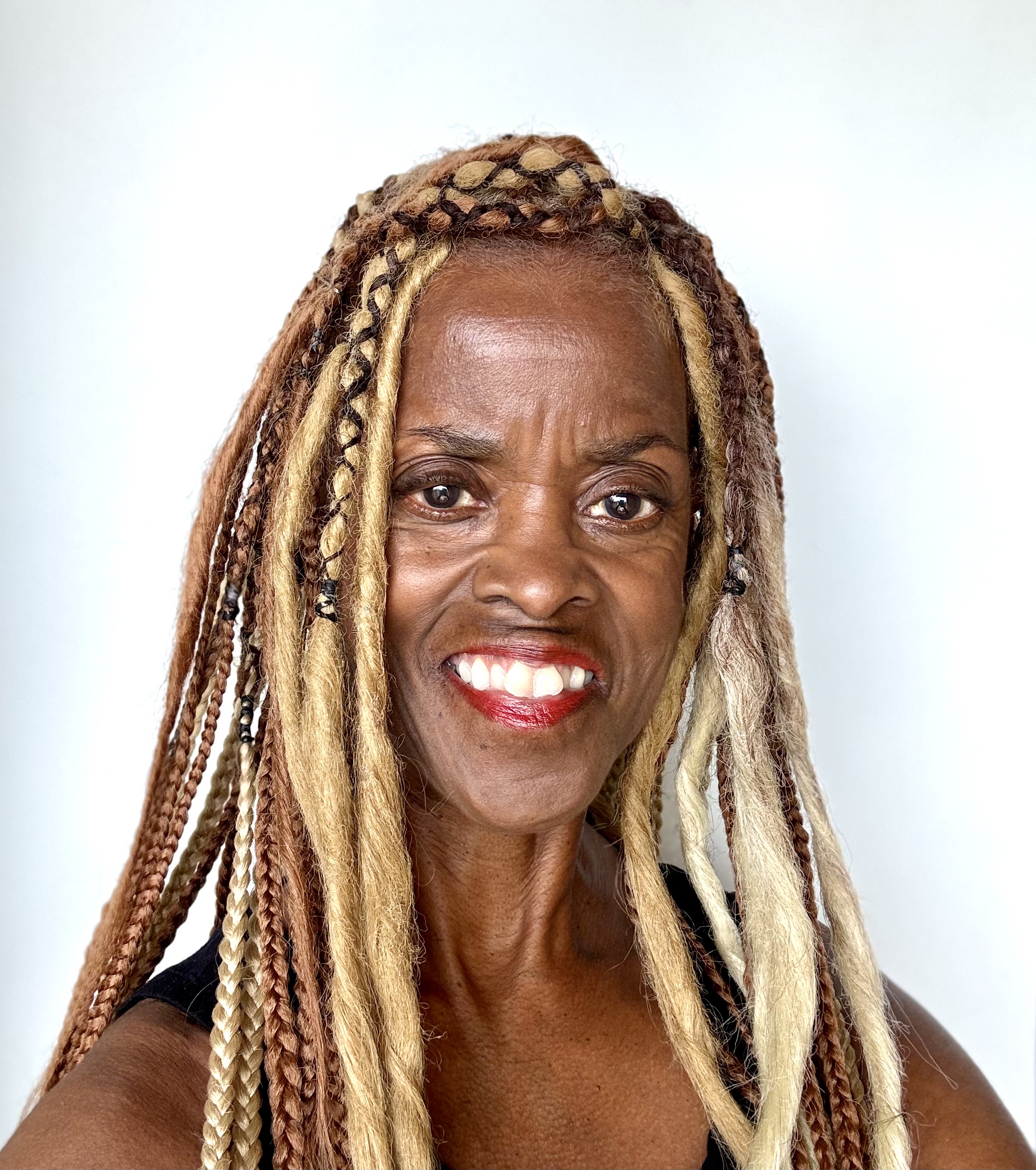
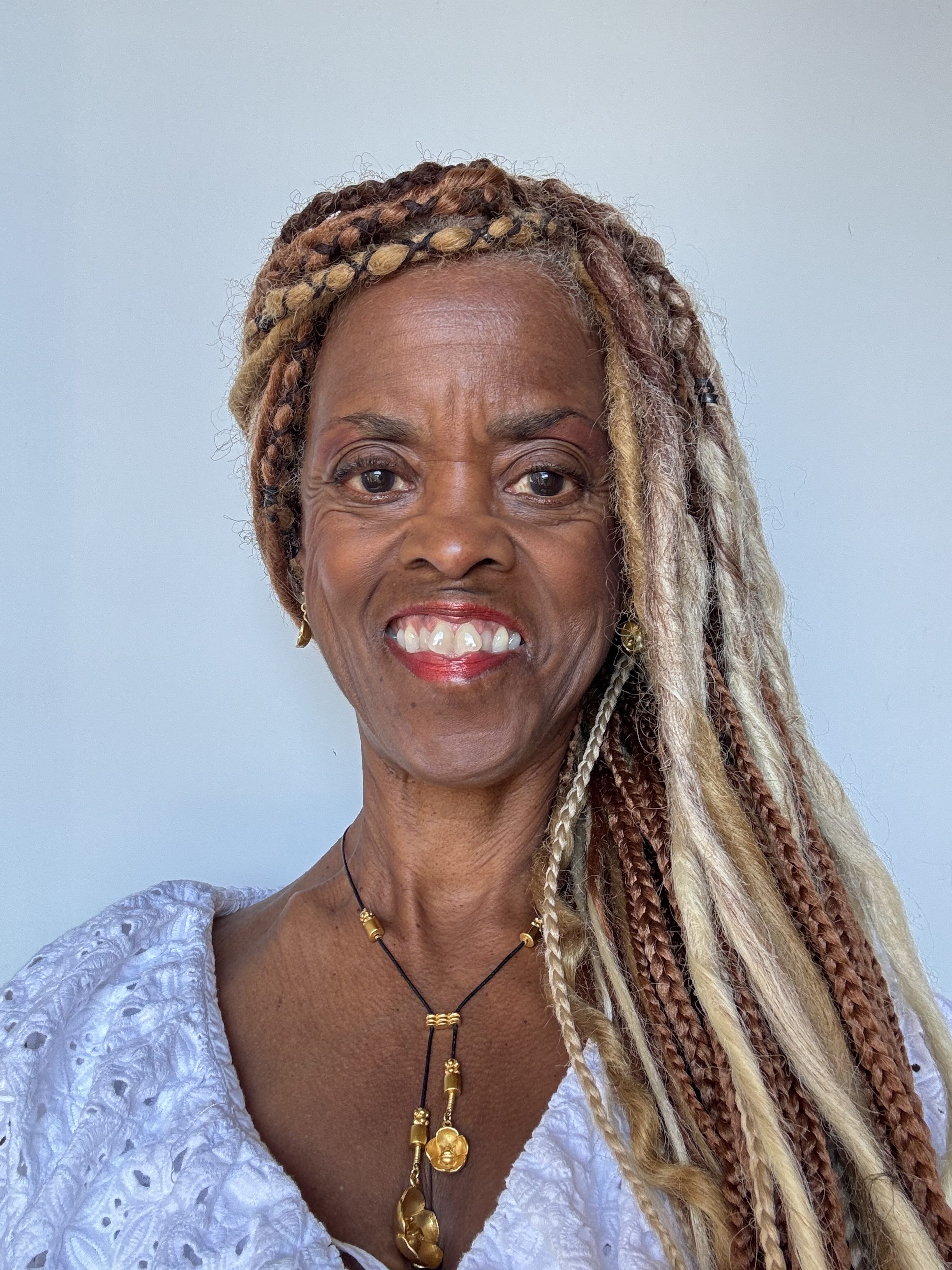
For global entrepreneur and author Earnestine Benford, expatriate life has been less about escape and more about intentional expansion. Having spent extended time living across Central and South America, Benford offers a grounded, faith-centered, and deeply practical perspective on what it means to live well beyond U.S. borders.
On Adjusting to Life Without “American Convenience“
Benford is clear that adjustment isn’t a one-time hurdle.
“The reality is that this isn’t a one-time challenge, it’s the adjustment that comes with every new city or country I choose to live in.”
She explains that relocating internationally often mirrors moving to a new U.S. city, learning where to shop, how transportation works, and how daily life flows, but layered with cultural and linguistic differences.
“The difference is doing it in a new cultural context, and in my case, in a different language.”
Before leaving the U.S., Benford anticipated sacrifice. She packed what she believed were irreplaceable body, face, and hair products, especially the essentials for her textured hair care. What she discovered, however, challenged her assumptions.
“Many of the conveniences people associate with American life, home delivery; overnight shipping; high-end malls; public transportation; good restaurants; ride shares, are readily available abroad, especially in major cities.”
The adjustment, Benford says, is less about access and more about perspective.
While living in Brazil, Benford recalls experiencing what she describes as “a quiet internal moment of disbelief” when she realized that an in-unit washer and dryer was not standard, even in upscale buildings.
“If there was a washer, you line-dried your clothes. Or you used a shared laundry room. Or you hired someone. Those were the options.”
The inconvenience felt monumental, briefly. Then came recalibration.
“The laundry still got done, by me. And I adjusted.”
Over time, Benford says she learned that the real work is internal.
“The real adjustment is recognizing what’s essential, releasing what was simply familiar, and allowing each place to teach you how it works.”
And for those worried about fast-food withdrawals, she laughs, “McDonald’s, KFC, and Domino’s? Brace yourself. They are everywhere.”
Managing Health with Intention Abroad
Living abroad with a chronic medical condition requires diligence, which is something Benford approaches methodically.
“My approach is simple: Know before I go. Preparation removes fear.”
Before selecting a country, Benford researches healthcare systems and ensures routine screenings are completed in the U.S. She travels with more than enough medication in her carry-on and keeps trusted over-the-counter remedies on hand.
“On the few occasions I’ve needed over-the-counter medication for something minor, I’ve found pharmacists to be extremely competent and genuinely concerned about my well-being. That attentiveness has been reassuring. I don’t rely solely on my language skills when communicating about important topics like healthcare. That’s when I lean on a translation app to ensure clarity.”
What surprised her most was the quality and affordability of healthcare abroad.
“The healthcare I’ve encountered in many countries has been extremely high quality, often at a significantly lower cost than in the U.S.”
Her U.S. health insurance provides emergency international coverage, and in some cities, hospitals accept it directly. She remains closely connected to her American physicians, emailing them if anything feels unusual.
“It’s always better to check than to leave something unaddressed.”
Benford has also intentionally shifted her dental care outside the U.S.
“The dental care I’ve received outside the U.S. has been outstanding and significantly more affordable, thorough, patient-centered, and transparent.”
Her greatest focus however, is prevention.
“Being mindful of what I consume, preventing falls, and wearing my seat belt…the same things I would do anywhere. Accident prevention is what I’m focused on.”
On Being a Black Expat
A common fear among Black Americans considering relocation is harsher racial treatment overseas. For Benford, that concern did not define her decisionmaking.
“There’s an assumption that we’ll be treated worse abroad than in the U.S. That didn’t really enter my mind.”
She acknowledges that as a Black-American woman, she remains aware of potential bias. Yet her lived experience in Central and South America has been affirming.
“I often feel like a welcomed guest.”
Unlike tourism, living abroad means immersion. Shopping at neighborhood markets, being recognized by name, becoming part of the rhythm of daily life.
“Over time, they acknowledge you as part of the community.”
She is careful not to romanticize.
“Discrimination doesn’t disappear when you cross a border. It simply shows up differently depending on the country and its history.”
Still, she notes a profound emotional shift.
“I don’t think about race constantly in the way I often do in the U.S. There’s a sense of belonging that comes from being allowed to simply exist.”
Her departure was not an act of flight.
“I didn’t leave the U.S. to get away from racism. I left to experience life differently. And I can’t overlook how God has guided me to the places and the people that have made that possible.”
Advice for Those Considering “Blaxit”
With heightened political tensions in the United States, many are exploring expatriation as a reaction. Benford urges pause.
“Put a pin in it before reacting. Wanting to leave and being able to live abroad are very different things. Before making any decisions, it’s important to test the lifestyle by spending real time in a place beyond a vacation. Relocation tours can offer a helpful introduction, but nothing compares to living somewhere for a couple of months and experiencing what daily life actually looks like once the novelty wears off.”
While encouraging extended stays beyond vacation mode, Benford emphasizes due diligence around work visas, taxes, healthcare, and – most critically – income.
“Understanding work permissions and tax obligations is critical. I once thought I wanted to pursue residency in Brazil until I learned that it could actually result in higher taxes for me. What happens if that income changes, slows down, or stops? And do you fully understand whether you’re legally allowed to work, even remotely, in the country you’re considering? Doing a gut check on income cannot be overemphasized.”
She also highlights emotional considerations, including distance from family, loneliness, missing milestones, and maintaining U.S. ties.
“This path isn’t about escape. It’s about stepping into a different way of living, one that requires adaptability, humility, and emotional skin in the game.”
For Benford, the journey is cyclical, not permanent.
“I fully expect to go back (to the US). It is home. What living abroad has given me is a broader range of motion.”
On Dual Citizenship Concerns
In regards to the political discussions around dual citizenship, Benford, who chose long-term residency rather than additional citizenship, is direct.
“Personally, I’m strongly opposed to any move that would force U.S. citizens to choose between their American citizenship and another citizenship they’ve legally obtained. Framing dual citizenship as a problem of “divided loyalties” feels overly simplistic and disconnected from the realities of modern, global life. Many people hold multiple citizenships because of family, marriage, heritage, or long-term residence, not because they’re abandoning their connection to the U.S.”
Her guidance remains steady.
“You also need a realistic plan for your possessions, your home, your car, and other belongings. What happens if you sell everything and later decide this lifestyle isn’t the right fit? What if you pay to ship your possessions only to realize they don’t suit the lifestyle, or that you could have easily replaced what you needed locally? There’s also the financial responsibility of maintaining a home in the U.S. while living abroad, which shouldn’t be underestimated. Understanding healthcare should be a top priority, especially as you age. Will you qualify for healthcare where you’re going? Will you need additional coverage? Do you have a re-entry plan if you experience an illness that you don’t feel comfortable managing abroad? These considerations look very different for singles, couples, and families with children. It’s also worth asking if something unexpected happens, will there be someone nearby who can help? What happens if you die abroad? And making sure you take steps to vote in U.S. elections while abroad.”
Favorite Cities and What Truly Matters
When asked to name a favorite city, Benford hesitates.
“That feels like picking your favorite child. Each place has its own personality and appeal. That said, I do tend to gravitate toward larger cities. I enjoy places with energy, infrastructure, cultural depth, and a sense of movement. Good public transportation, vibrant arts and food scenes, and the ability to live a full, engaged life while being an entrepreneur.”
What moves her most, however, is dignity embedded in daily systems, such as dedicated lines for seniors, pregnant women, and people with disabilities.
“That says a great deal about a culture.”
She treasures subsidized arts, bustling central markets, spontaneous samba, pedestrian-friendly Sundays, and moments of radical kindness. For example, a stranger in Panama City personally ensured she and her luggage arrived safely home.
“Where strangers become fast friends, those are the things that stay with me long after I’ve moved on.”
Though she resists naming a single favorite, she admits, “I feel a special kind of closeness with Panama. And surprisingly, Guatemala City.”
What’s Next?
Currently living in Chile, Benford is embracing presence over prediction.
“This country has so much to offer…The diversity here is remarkable.”
She plans to extend her stay, spend time near the ocean, and continue publishing her ¡Text Hugs! book, in which 50 percent of the profits have been earmarked to end human trafficking of children.
“Childhood should be enjoyed, not endured.”
For now, Benford is content to let life unfold.
“I’ll let the next chapter reveal itself in time.”
If there is one through line in Earnestine Benford’s Black expat journey, it is: Living abroad is not about running from something. It is about running toward a fuller, more intentional version of yourself – one country at a time.