
By the time Amy DuBois Barnett stepped into the orbit of late-1990s New York media, hip hop had already rewritten the rules of American culture. Music, fashion, nightlife, and magazines collided nightly in VIP sections and editorial meetings alike. Influence and glamour circulated freely in that ecosystem. For ambitious women—particularly Black women—being close to power often meant navigating risk, compromise, and silence
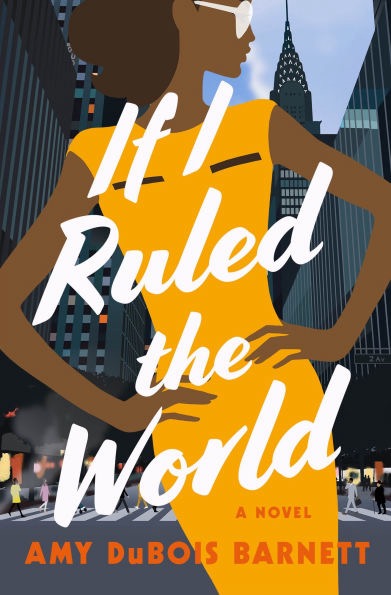
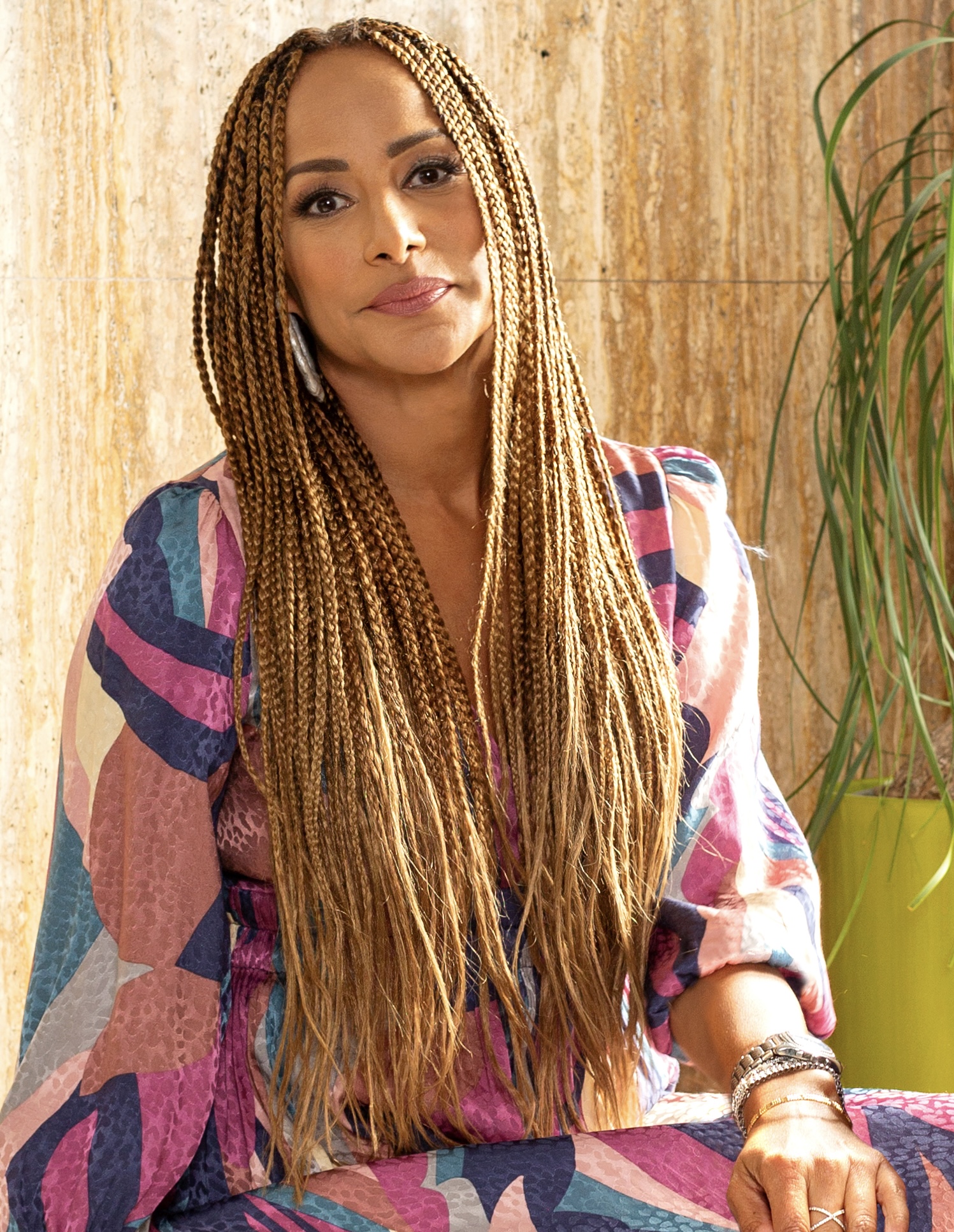
Barnett wasn’t just a witness to that moment, she was working inside it. As editor-in-chief of Honey, Teen People, and Ebony, and later as deputy editor-in-chief of Harper’s Bazaar, she built a career at the intersection of media, fashion, and the urban music industry during a period when those worlds regularly collided. Now, with the release of her debut novel, If I Ruled the World (Flatiron Books), Barnett returns to that era with a sharp, unflinching eye—and finally tells the story fiction has largely avoided.
A Thrilling, Dangerous Era
Set in 1999 New York City, If I Ruled the World follows Nikki Rose, the only Black editor at a prestigious fashion magazine who walks away from perceived security to take over Sugar, a struggling music and lifestyle magazine for women. Nikki has six months to save the publication—and even less time to figure out who she is allowed to be in a world that commodifies both her brilliance and her body.
The novel is sexy and nostalgic, built to be devoured. A glossy, propulsive page turner, it revels in the heady thrill of the era—front-row runway seats, exclusive album listening sessions, champagne-soaked parties—while remaining clear-eyed about the danger that simmered beneath the surface.
That clarity comes from lived experience. “This story has been with me since my days as an editor-in-chief,” Barnett has said of the novel. “It isn’t a roman à clef, but it’s rooted in a world I spent years navigating.”
That world was one where women were required to be flawless and fearless, strategic and desirable, brilliant but never threatening. A world where misogyny was often dismissed as the price of access, and silence was a survival strategy.
A Coming-of-Power Story
If I Ruled the World is, at its core, a coming-of-power story. Not a rise-and-grind fantasy, but a clear-eyed look at what ambition demands—and who ends up paying the price. Nikki Rose is stylish, romantic, and deeply capable. She is also haunted by a past mistake involving a powerful, married man, an entanglement that continues to shape how she is perceived and how she sees herself. As Nikki navigates the volatile intersection of media, music, and male ego, she must decide whether success on someone else’s terms is success at all.
That moral complexity is where the novel shines. Barnett doesn’t offer easy heroes or villains. Instead, she interrogates the gray areas many women lived in—especially Black women trying to protect themselves, their careers, and each other inside systems not built for their safety.
The Past’s Impact on the Present
It’s no accident that the book feels eerily timely. As ongoing reckonings continue across music, media, and entertainment, If I Ruled the World reads like both a period piece and a warning. The cultural machinery that elevated certain men while endangering women didn’t disappear, it evolved. Barnett’s novel asks readers to reckon with how much of that past still shapes the present.
For Barnett, the novel represents a return to storytelling, to authorship, and to a dream she first claimed long before her media career took off. After earning an MFA in creative writing from Columbia University, she spent more than 15 years building and leading media brands, shaping cultural conversations from inside the machine. If I Ruled the World is what happens when that insider finally gets to write the story on her own terms.
It is also a love letter—to New York City, to hip hop, to complicated female friendships, and to the women who survived that era with their ambition intact, even when the cost was high.
Barnett has always understood that culture isn’t just created on stages or pages; it’s forged in rooms where power circulates quietly, and decisions ripple outward. With If I Ruled the World, she pulls readers into those rooms and asks a question that still resonates: What would it look like if women didn’t just participate in culture but ruled it?