

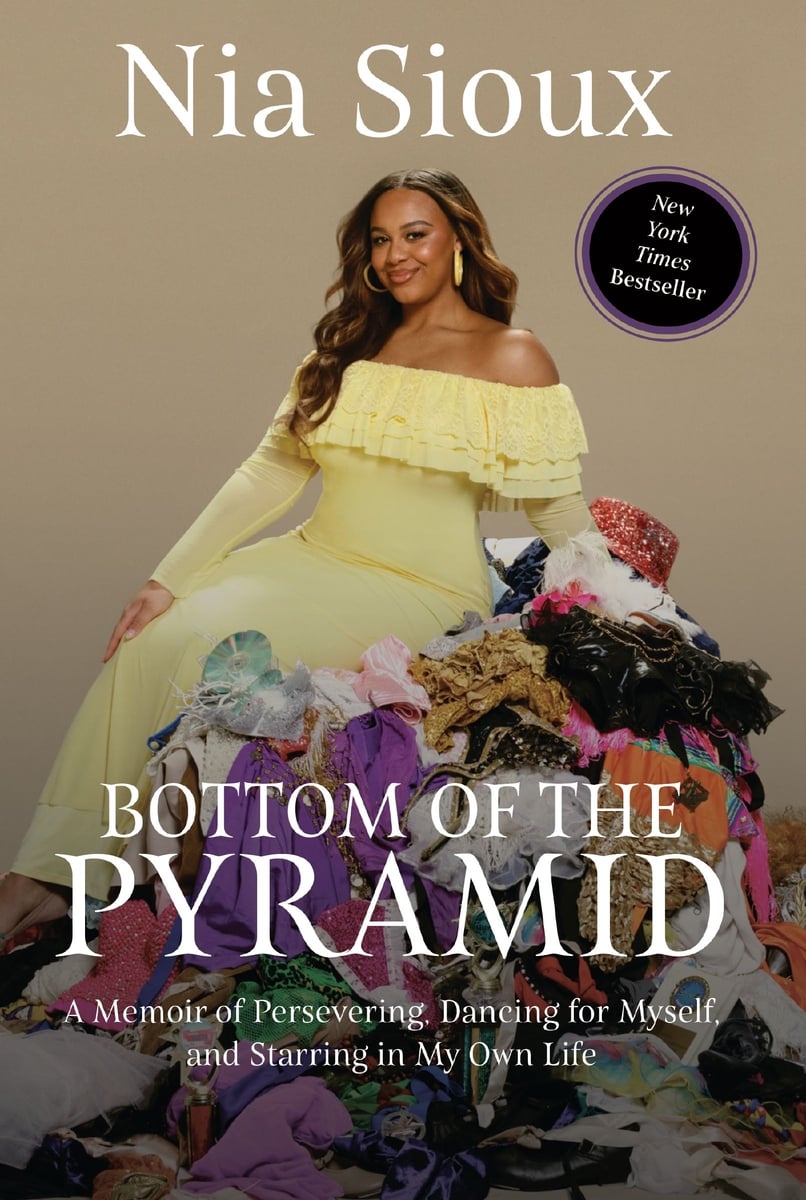
When I sat down with Nia Sioux to congratulate her on the November 4 release of Bottom of the Pyramid: A Memoir of Persevering, Dancing for Myself, and Starring in My Own Life, which has already garnered phenomenal reviews, I felt genuinely proud. I met Nia, her mom Dr. Holly Frazier, and their family two years ago during an Adventures by Disney journey through South Africa. What impressed me about them then, still holds true today: Despite the fame that came with the mother-daughter duo appearing in the Lifetime reality series Dance Moms, the Frazier family are real people. No ego. No theatrics. Just grace, humility, friendliness, and a quiet strength that commands respect. And let me be crystal clear, in the most basic of terms, The Fraziers are not bougie!

Bottom of the Pyramid matters so much to Nia, because it’s a reclamation of her narrative, which she finally gets to tell on her own terms. The title is a direct reference to Dance Moms and its leader Abby Lee Miller placing her at the “bottom of the pyramid” physically and metaphorically throughout her years on the series, 2011 to 2017. When she explained its meaning, I could hear both the pain behind it and the strength it took to claim that label and turn it into power.
“I always knew my story needed to be shared,” Nia told UPTOWN. “But I was nervous about how people would react.”
Confronting Toxicity, Racism, and the Reality Behind the Cameras
The New York Times best-selling memoir often stopped me cold as I read it. Nia describes in detail the negative treatment she experienced, including deeply offensive comments about her identity, her hair, and even her body. Some incidents were captured for television. However, other more insidious events happened when the cameras weren’t rolling.
When I asked how she survived it, her answer was immediate: Her family and her faith. Those two anchors, she said, allowed both Nia and Dr. Frazier to endure everything from relentless criticism, as well as attempts to provoke her mom into the “angry Black woman” stereotype. Nia told me she was often intentionally cast as the weak link and the one who was “bad at dancing,” not because of her talent, but because breaking her confidence seemed to be Miller’s objective.
As a Black man, I understood all too well how psychological and emotional harm often hides behind gaslighting, coded language, and so-called “teachable moments.” To be perfectly clear, it’s a frustrating, tedious, and exhausting actuality to simply exist as a person of color in a nation that consciously refuses to come to terms with and reconcile its extremely horrendous and messy racist past and present. Nia Sioux’s bravery in addressing the matter head-on is nothing short of extraordinary.
The Lasting Impact of Criticism About Her Hair
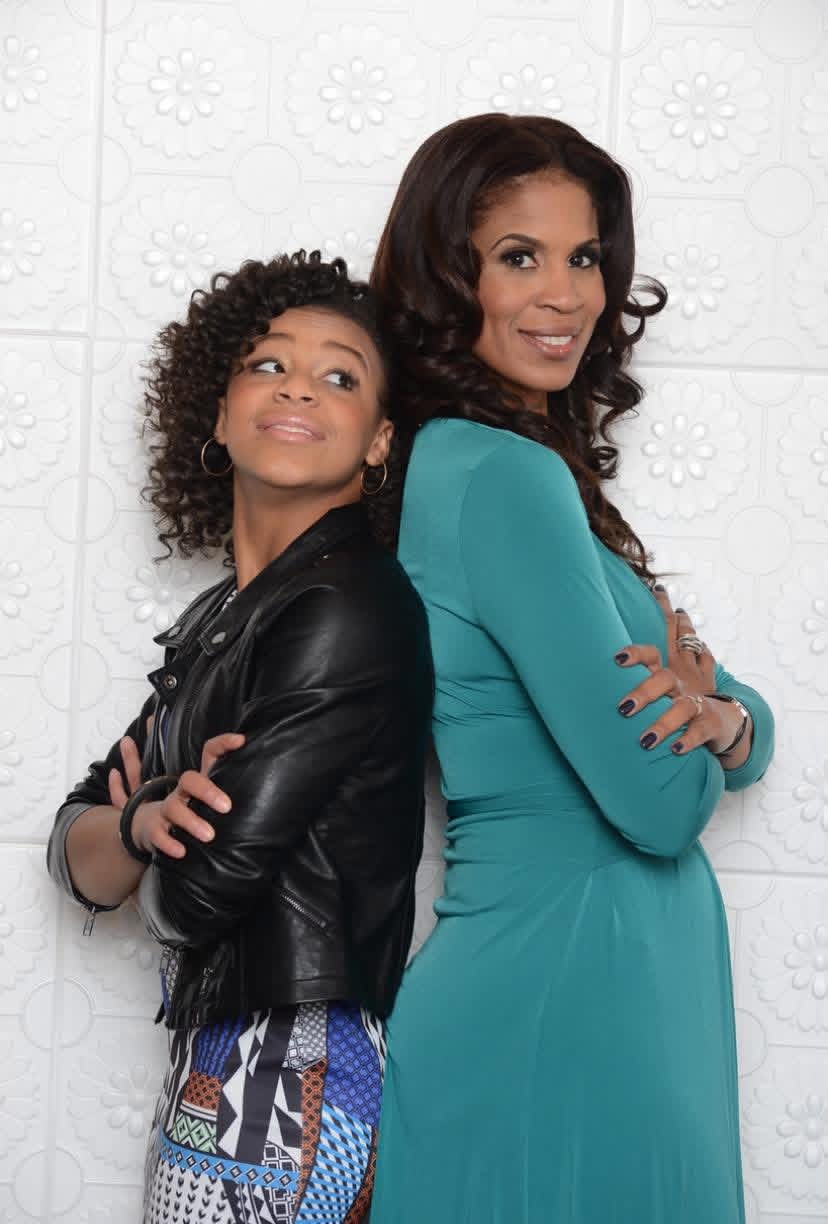
One of the most painful parts of our conversation centered on Nia’s hair. When she shared how criticism about her natural coils caused years of self-doubt, I felt my heart break for the young girl she once was. You see, Nia’s hair “didn’t fit” the Dance Moms preferred aesthetic – straight, uniform, Eurocentric. The comments she endured were so hurtful that she stopped wearing braids altogether until after the show ended. Black hair is tied to identity and self-love, and Nia agreed, “It really affected how I saw myself.”
Why Nia Sioux Stayed – and Why That Matters
The question everyone tends to ask her, why she stayed on the show under such conditions, is one I felt I needed to ask as well. Nia’s answer was crystal clear: She refused to let a bully push her out of an opportunity she had earned. Leaving, she said, would have meant letting someone else define her. Nia never stops. She rises, consistently, having embraced former First Lady Michelle Obama’s advice from her 2016 Democratic National Convention speech – “When they go low, we go high.”

Life After the Cameras: Growth, Healing & Rebirth
Today at age 24, Nia is in a completely different chapter of her life. She recently graduated from UCLA, navigated the actor’s strike and the pandemic, and took the time she needed to focus on her mental and emotional well-being.
Writing Bottom of the Pyramid, she told me, finally gave her closure. It allowed her to speak as a grown woman, not as the child who kept quiet to survive. She’s excited now to return to her passion for performing, storytelling, and using her voice.
Her Message to Readers and to Her Younger Self
When I asked Nia what she hopes readers take away from her book, she didn’t hesitate: Hope. But also worth, perseverance, and the reminder that things do get better, even when you can’t immediately leave a bad situation.
Her advice to her 13-year-old self was just as powerful, “You got this. Don’t let anyone bring you down. And I’m proud of you.”
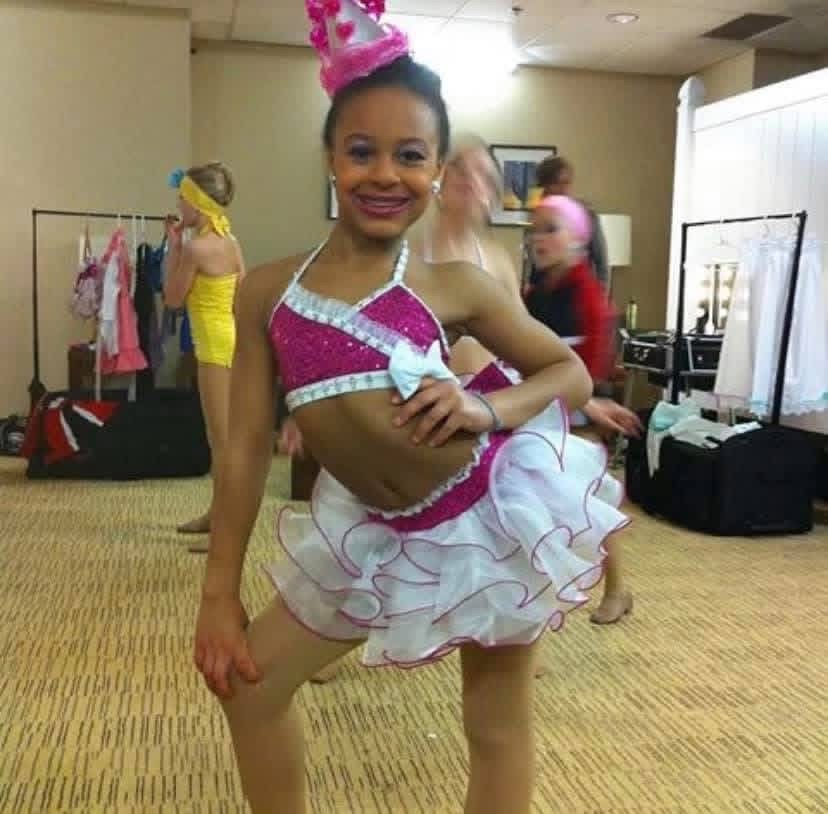
On the Road Again: The Book Tour That’s Healing Fans and the Author
Nia’s book tour recently kicked off in New York and will continue to Nashville, Toronto, Chicago, Pittsburgh, and Los Angeles. She said it has been meaningful to meet readers who connect with her journey. Young people see themselves in her story, and adults wish they’d had someone like her growing up. She said hearing their stories has been “special” and “therapeutic.” I could tell she meant every word.
Why Bottom of the Pyramid Matters
Nia Sioux’s memoir isn’t about dance. It’s about identity, resilience, and pushing through spaces that were never built with you in mind. It’s about surviving harmful narratives and reclaiming them with power. The cultural nuance, the generational weight, and the triumph woven into stories like Bottom of the Pyramid offer a roadmap for rising.
Nia Sioux may have started at the bottom of the pyramid, but today, she stands firmly at the top – on her own terms, with her own voice, telling her own story.